Greek cooking, briefly
A Greek table in the old centre
Kalliopi Mavromati — I grew up in Plaka, in a house just below the path up to the Acropolis, and I now write about Athens tavernas for a small food newsletter. When friends visit, this is the kind of class I point them to, so I write down how it unfolds, from the first introduction to the last plate.
Three ingredients, then everything else
Greek cooking is founded on wheat, olive oil and wine, and it leans on vegetables, cheese, herbs, lemon juice, olives and yogurt. Filo pastry, honey and nuts run through the desserts. A class in Athens is a short way into all of that.
A pie with a name you can read
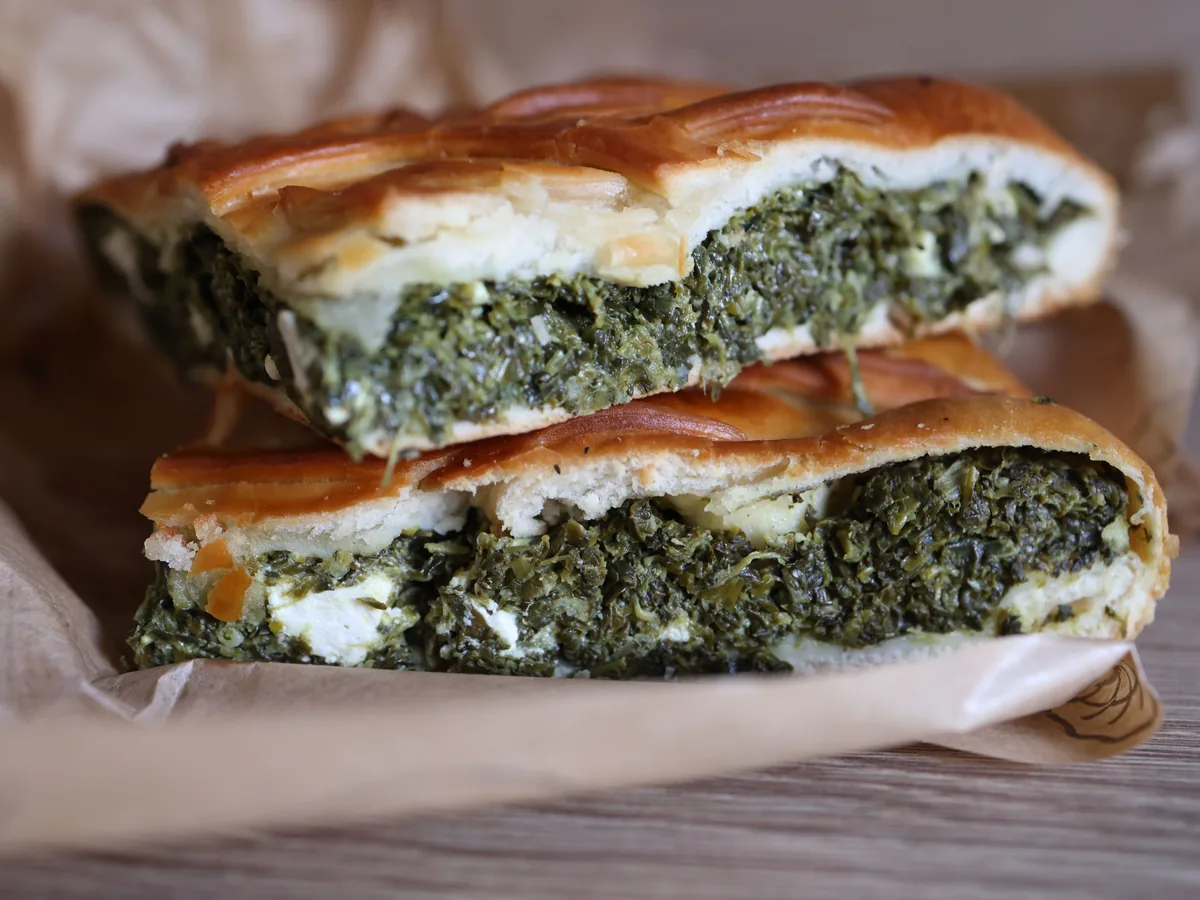
Spanakopita joins the Greek words for spinach, spanaki, and pie, pita. The traditional filling is chopped spinach with feta, onions or scallions and egg, seasoned with herbs such as dill, mint and parsley, and wrapped in filo.
The dip that sits beside everything
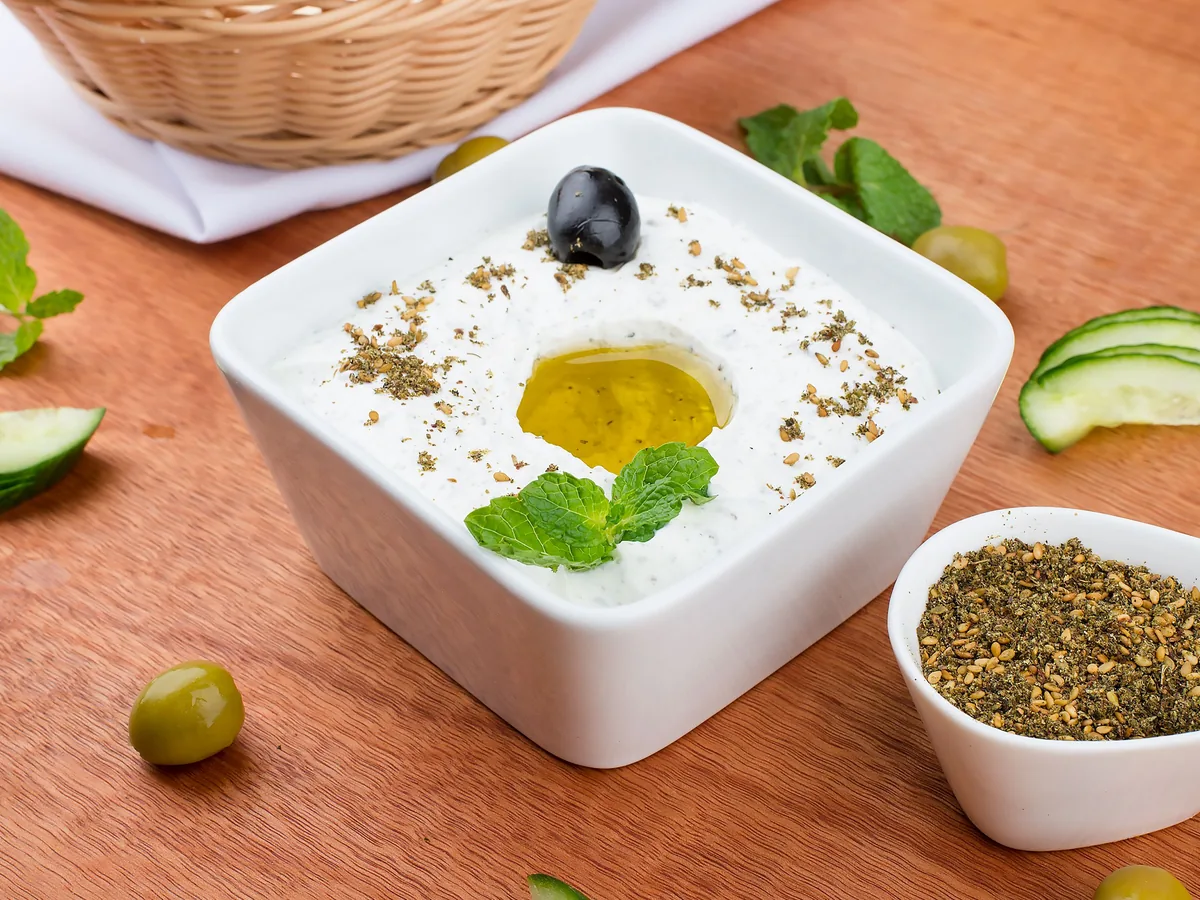
Tzatziki is a cold dip of salted strained yogurt with cucumber, garlic, olive oil and herbs, served as an appetiser or a side. In the Eastern Mediterranean a spread of small dishes like it is called meze, and a meze can form a meal in itself.
A flea-market district for a classroom
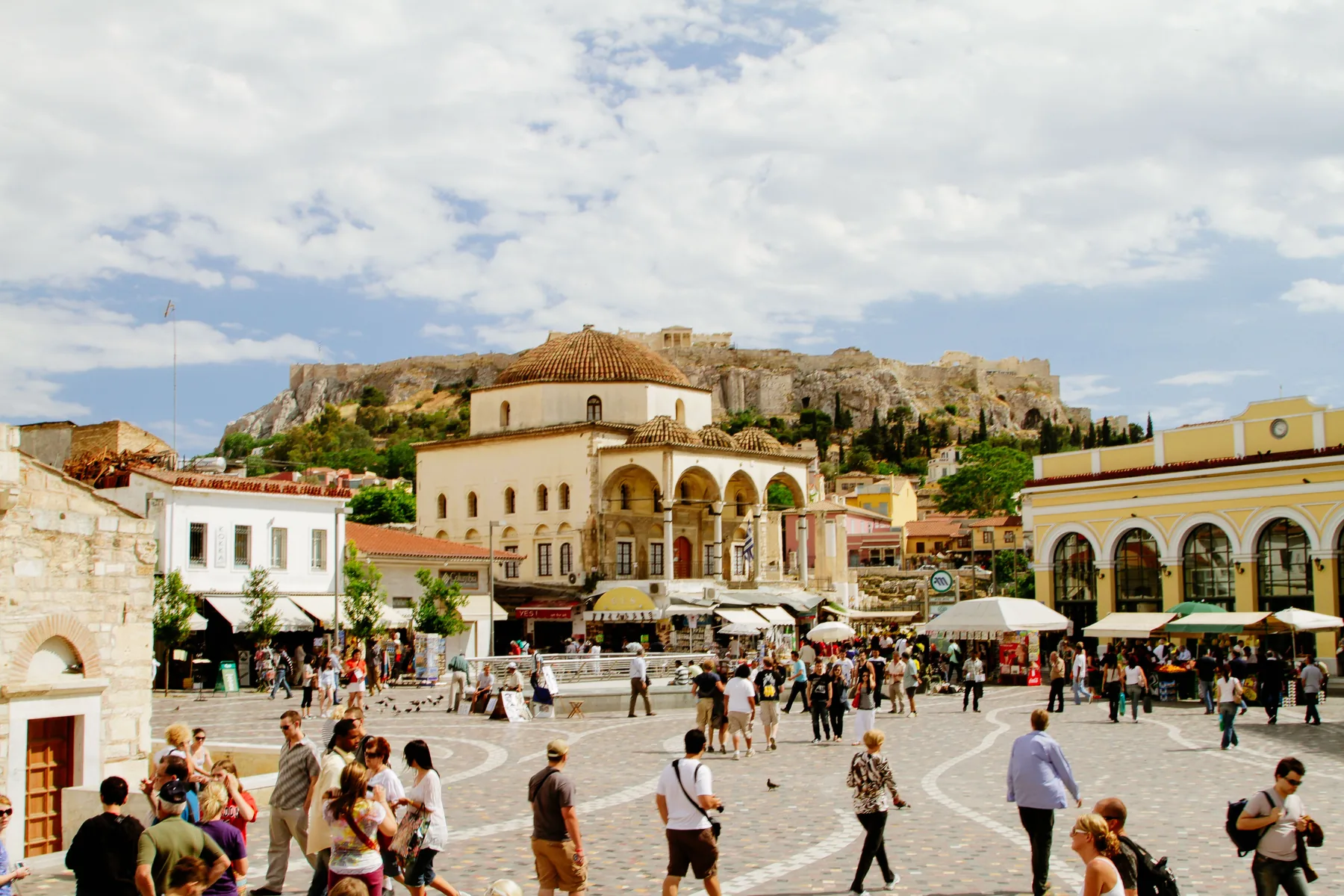
Monastiraki is a flea-market neighbourhood in the old town of Athens, named for the church of the Pantanassa on its square. The rooftop class meets a few steps from that square, in Psirri.